Rosemary Oil for Hair Growth: How to Use It + 4 Best Picks (2026)
This post contains affiliate links. As an Amazon Associate, we earn from qualifying purchases, at no extra cost to you.
Rosemary oil is having a moment. Scroll through Pinterest or TikTok for five minutes and you’ll find someone swearing it saved their thinning edges, calmed their postpartum shedding, or finally got their hair past their shoulders.
So is rosemary oil for hair growth the real deal, or just another beauty trend with good lighting?
We dug into the research and compared the most popular options so you don’t have to. Below, you’ll find what rosemary oil actually does for your hair, how to use it the right way, how long it really takes, and the four products we’d recommend to a friend.
If you just want the short list:
- Best overall: Mielle Rosemary Mint Scalp & Hair Strengthening Oil
- Best rosemary shampoo: Mielle Rosemary Mint Strengthening Shampoo
- Best drugstore pick: L’Oréal Paris EverPure Rosemary Set
- Best Korean hair care pick: medicube Rosemary PDRN Hair Care Set
What Does Rosemary Oil Actually Do for Your Hair?
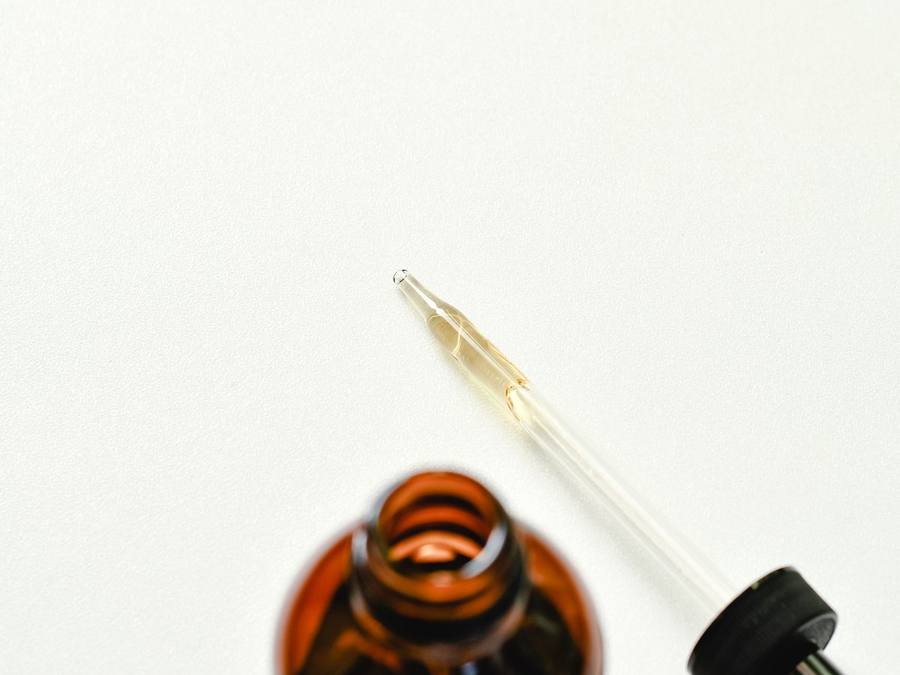
Rosemary oil comes from the same herb sitting in your spice rack. In hair care, it’s all about the scalp. That’s where the action happens, not on your ends.
Here’s why so many people swear by it. Rosemary is thought to boost circulation to the scalp, which helps deliver nutrients to your hair follicles. It also has natural antimicrobial properties, which is why you’ll find it in so many scalp care formulas. And since you massage it in, you get the benefits of a scalp massage too, which may support thicker-looking hair on its own.
Is it a miracle in a bottle? No. But it’s one of the easiest and most affordable upgrades you can make to your hair routine.
Does Rosemary Oil Really Work for Hair Growth?
The short answer: the science is promising, but it’s still early.
Most of the buzz traces back to one study from 2015. Researchers compared rosemary oil with 2% minoxidil, the active ingredient in Rogaine, in a small group of men with pattern hair loss. After six months, both groups saw a similar increase in hair count, and the rosemary group had less scalp itching.
That’s exciting. It’s also one small study, it only included men, and nobody saw results before the six-month mark. So go in with realistic expectations. Rosemary oil is a gentle, affordable way to care for your scalp, and the people who see results are the ones who stick with it.
How to Use Rosemary Oil for Hair Growth
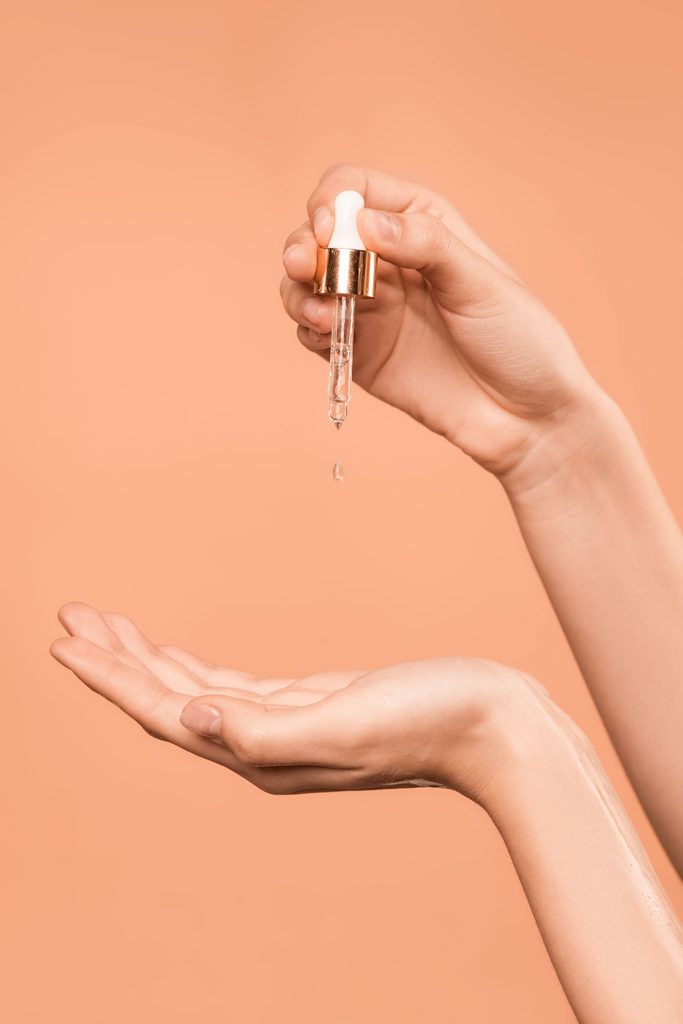
You don’t need a complicated routine. You just need a consistent one. Here’s the method we recommend:
- Start with a dry scalp. Oil soaks in better when there’s no product buildup in the way.
- Apply it where it counts. Part your hair into sections and put 5 to 8 drops right on your scalp, focusing on thinner spots like your part and hairline. Using pure rosemary essential oil? Dilute it first with a few drops in a tablespoon of jojoba or coconut oil. Ready-made blends like Mielle are already diluted, so you can use them as is.
- Massage it in. Three to five minutes, fingertips only, in small circles. Please don’t skip this part.
- Give it time. Leave it on for at least two hours, or sleep in it with a silk bonnet or an old pillowcase.
- Wash it out well. Shampoo twice if you need to. Leftover oil can leave your hair flat and greasy.
- Repeat two or three times a week. Consistency matters way more than quantity.
One more thing: do a quick patch test before your first full application. Dab a little behind your ear and wait a day. Any redness, burning or itching means it’s not the right fit for you.
How Long Does Rosemary Oil Take to Work?
Here’s the part nobody on TikTok tells you: hair only grows about half an inch a month. So even when rosemary oil works, it works slowly.
In the first few weeks, most people just notice a cleaner, calmer scalp. Around the two to three month mark, you might see less hair in the shower drain and on your brush. Visible changes, like new baby hairs along your hairline, usually take three to six months.
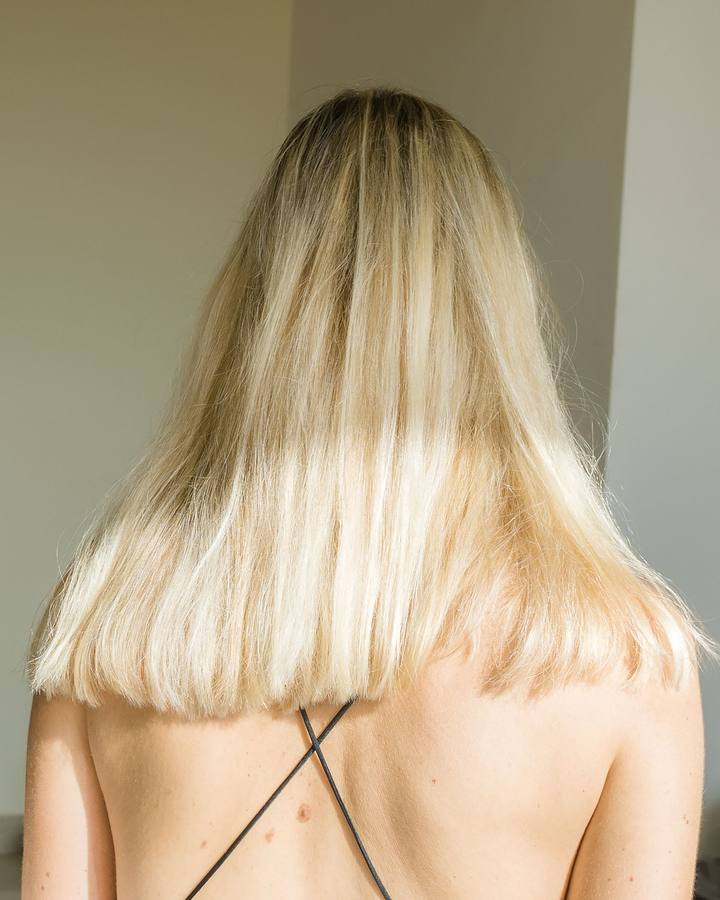
Our advice? Take a photo of your part and hairline once a month, in the same spot and the same light. Progress is hard to notice in the mirror day to day, but it’s easy to spot side by side.
The 4 Best Rosemary Oil Products for Hair Growth (2026)
We chose these based on their ingredients, how easy they are to use, and what real customers keep saying about them.
Best Overall
Mielle Rosemary Mint Scalp & Hair Strengthening Oil
The bottle you’ve probably seen all over your feed. It’s dermatologist-verified, infused with biotin, and ready to use straight from the dropper.Check Price on Amazon
Affiliate link. We may earn a commission.
If you only buy one thing from this list, make it this one. It blends rosemary and mint with biotin, it’s dermatologist-verified by the Skin Health Alliance, and the dropper makes it easy to get the oil right onto your scalp. A lot of customers mention loving the cool, tingly feeling from the mint.
One heads-up: the minty scent is strong, and a little goes a long way. If your hair is fine, keep it on your scalp and wash it out the next morning so it doesn’t weigh your hair down.
Best for: beginners, dry or itchy scalps, and anyone who wants a simple routine that won’t break the bank.
Best Shampoo
Mielle Rosemary Mint Strengthening Shampoo
The easiest way to wash out your oil treatment, with the same rosemary mint blend in shampoo form.Check Price on Amazon
Affiliate link. We may earn a commission.
Here’s something people don’t think about: if you’re putting oil on your scalp, you need a shampoo that can actually get it out. This one is the natural partner to the Mielle oil. It leaves your scalp feeling fresh and clean, and using the two together turns wash day into a complete rosemary routine.
If your hair tends to run dry, follow it with a conditioner on your lengths.
Best for: anyone doing overnight oil treatments, and scalps that get oily or build up product fast.
Best Drugstore
L’Oréal Paris EverPure Moisture Shampoo & Conditioner Set
A sulfate-free set with rosemary botanicals, gentle enough for color-treated hair, at a drugstore price.Check Price on Amazon
Affiliate link. We may earn a commission.
Thinking about going darker for fall? Rich brunettes are everywhere this season, and color-treated hair needs gentler care. This sulfate-free set brings rosemary into your routine without stripping your color. Just know it’s designed for moisture, not as a targeted growth treatment, so pair it with an oil if growth is your main goal.
Best for: dry or color-treated hair, and anyone shopping on a budget.
Best K-Beauty
medicube Rosemary PDRN Hair Care Set
A full three-step rosemary routine for fine, thin-looking hair, with a shampoo, conditioner and serum.Check Price on Amazon
Affiliate link. We may earn a commission.
Korean hair care is one of the biggest beauty trends of 2026, and medicube is one of the names everyone is searching for. This set gives you a complete scalp-to-ends routine built around rosemary, with amino acids for thicker, denser-looking hair and a cooling feel that’s lovely on a flaky scalp. It costs more than a single bottle, but if you enjoy a multi-step routine, it feels like a spa night at home.
Best for: fine or thinning hair, flaky scalps, and K-beauty fans.
Quick Comparison
| Product | Type | Best for |
|---|---|---|
| Mielle Rosemary Mint Oil | Scalp oil | Beginners, dry scalp, curly hair |
| Mielle Rosemary Mint Shampoo | Shampoo | Washing out oil treatments |
| L’Oréal EverPure Rosemary Set | Shampoo + conditioner | Color-treated hair, budget |
| medicube Rosemary PDRN Set | 3-step routine | Fine, thinning hair, K-beauty fans |
How to Choose the Right Rosemary Oil for You
Not sure where to start? Think about three things.
Blend or pure oil. If you’re new to this, a ready-made blend is easier and gentler. Pure essential oil is much stronger and always needs to be diluted.
Your hair type. Fine hair usually does better with lighter products or a rosemary shampoo. Thick, curly and coily hair tends to love a richer oil.
Your scalp. Dry and itchy? Start with an oil. Oily or flaky? A shampoo or scalp serum might suit you better.
And honestly, the best product is the one you’ll actually use three times a week.
5 Mistakes That Slow Down Your Results
These are the ones we see over and over again:
- Using pure essential oil straight on your scalp. It’s too strong on its own and can irritate your skin.
- Putting it on your ends. Growth starts at the root, so that’s where the oil belongs.
- Giving up after two weeks. This is a months-long habit, not a quick fix.
- Not washing it out properly. Buildup leaves hair limp and your scalp clogged.
- Skipping the massage. Those few minutes are a big part of why this works.
Rosemary Oil for Hair Growth: FAQs
Can I leave rosemary oil in my hair overnight?
Yes. A diluted rosemary oil blend is safe to leave on overnight for most people. Just protect your pillowcase and wash it out in the morning.
How often should I use rosemary oil on my hair?
Two to three times a week works well for most hair types. Using it every day isn’t necessary and can lead to buildup.
Is rosemary oil better than minoxidil?
One small study found similar results after six months, but minoxidil has far more research behind it. If you’re dealing with significant hair loss, it’s worth talking to a dermatologist about the best option for you.
Can I use rosemary oil on color-treated hair?
Generally, yes. Keep it on your scalp, wash with a sulfate-free shampoo, and do a patch test first.
Does rosemary oil work for thinning hair in women?
Plenty of women use it as part of a routine for thinning hair, and it may help support a healthier scalp. Thinning can have lots of causes, from hormones to stress to nutrition, so check in with a doctor if it’s sudden or severe.
The Bottom Line
If you want to try rosemary oil for hair growth, keep it simple. Start with the Mielle Rosemary Mint Oil, pair it with the matching shampoo, and use it two or three times a week. Massage it in, snap a monthly photo, and give it at least three months before you decide.
Healthy hair is a long game. Rosemary oil just makes it a little easier to stay in it.Shop Our Top Pick on Amazon
Save this guide on Pinterest for your next wash day
This article is for informational purposes only and isn’t medical advice. If you’re experiencing sudden, patchy or significant hair loss, please see a dermatologist.